How Coral Reefs Form The Partnership Between Coral Polyps and Algae
TROPICAL REEF RESEARCH ATLAS · MARINE ECOLOGY How Tiny Coral Animals Build Vast Underwater Reefs Discover the remarkable partnership between coral polyps and microscopic algae—and how it helps create some of the ocean’s most diverse ecosystems. CORAL POLYPS SYMBIOTIC ALGAE REEF FORMATION Coral reefs are among the most remarkable structures created by living organisms. Their … Read more
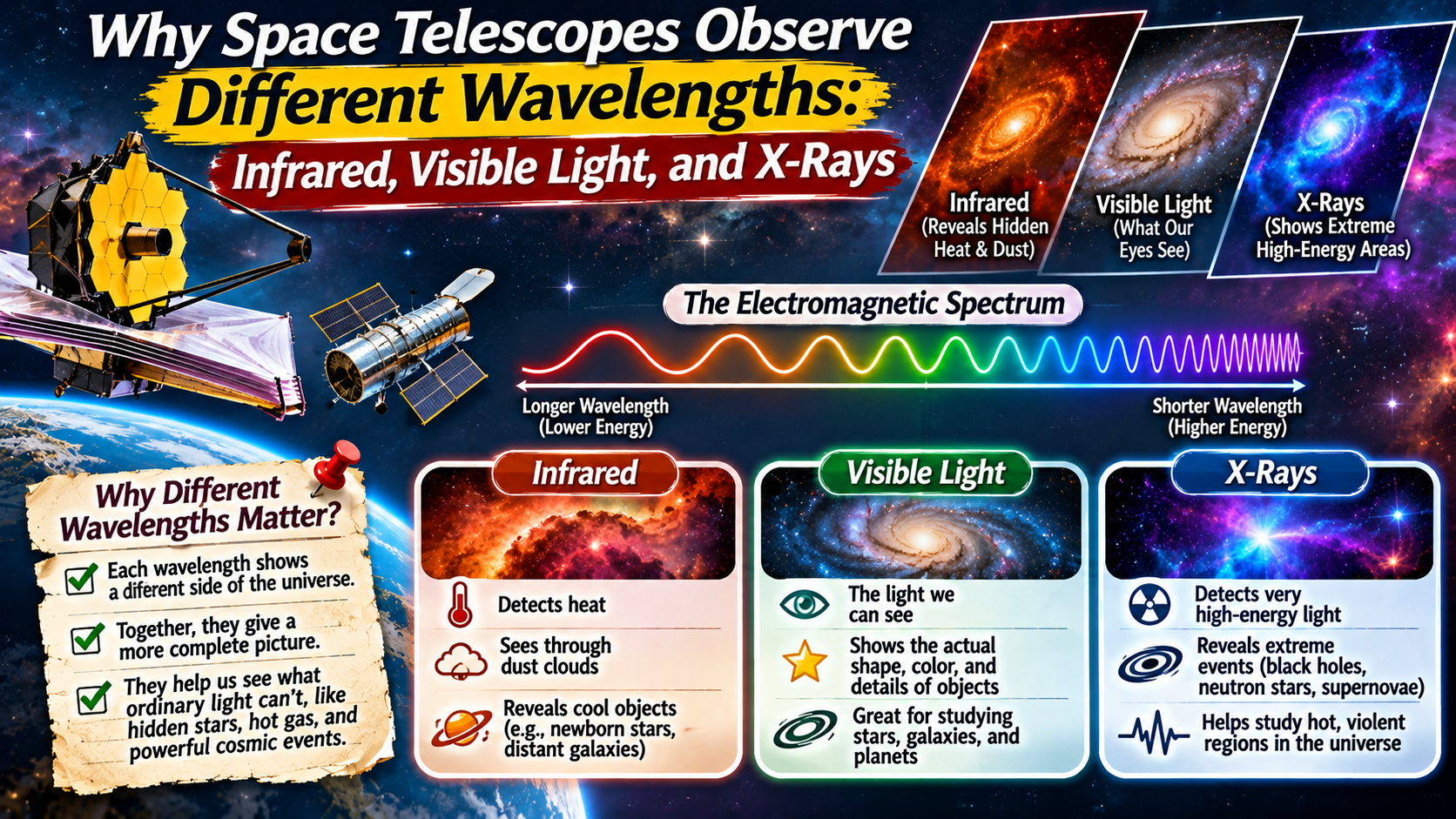
Why Space Telescopes Observe Different Wavelengths Infrared, Visible Light, and X-Rays

COSMIC OBSERVATORY · ASTRONOMY & SPACE SCIENCE One Universe, Many Kinds of Light Discover why astronomers use infrared, visible-light, and X-ray telescopes to reveal different parts of the cosmos. INFRARED VISIBLE LIGHT X-RAYS When people imagine a telescope, they often picture an instrument that collects visible light from distant stars and galaxies. But the universe … Read more

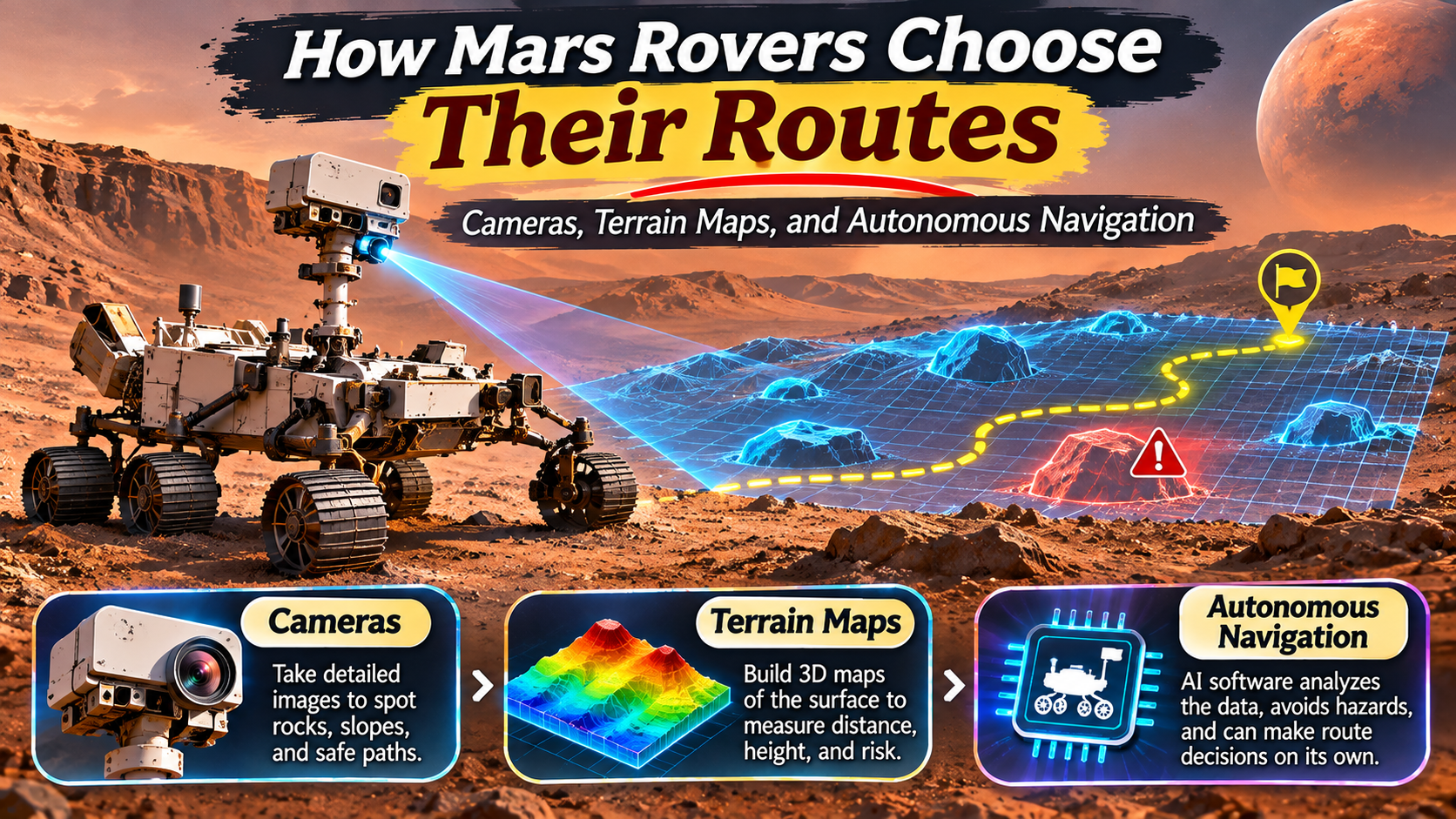
How Mars Rovers Choose Their Routes Cameras, Terrain Maps, and Autonomous Navigation

PLANETARY EXPLORATION / MISSION OPERATIONS MARS SURFACE OPERATIONS How a Robot Finds Its Way Across Another Planet Explore how cameras, orbital maps, engineering teams, and autonomous navigation software help Mars rovers travel safely across unfamiliar terrain. 01 / OBSERVE 02 / MAP 03 / PLAN 04 / DRIVE 05 / VERIFY Driving across Mars is … Read more

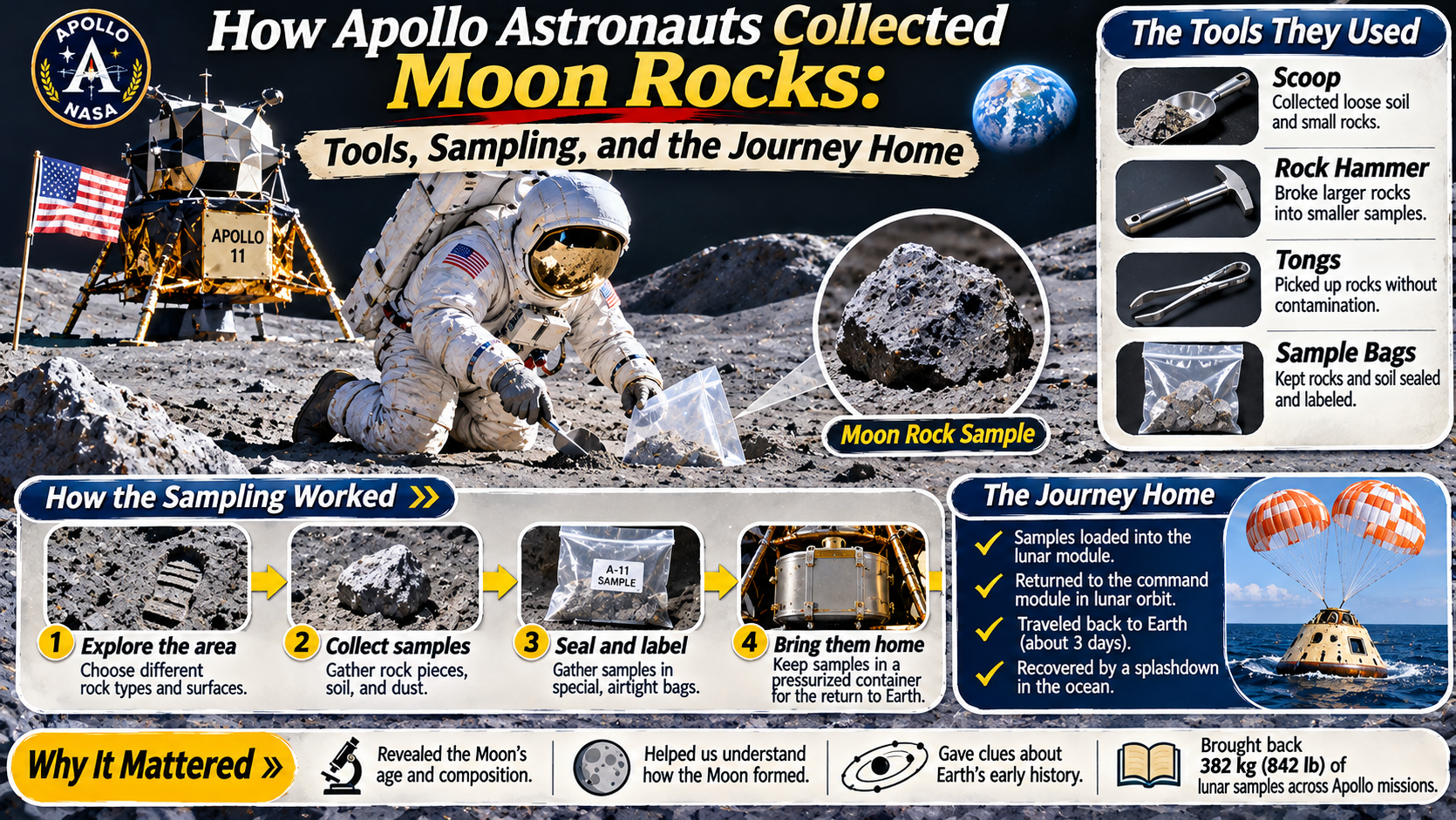
How Apollo Astronauts Collected Moon Rocks Tools, Sampling, and the Journey Home

APOLLO LUNAR ARCHIVE / PLANETARY EXPLORATION Bringing Pieces of the Moon Back to Earth How Apollo astronauts gathered lunar rocks and soil, protected their scientific samples, and transported them across nearly 240,000 miles of space. LUNAR GEOLOGY APOLLO MISSIONS SAMPLE RETURN When Apollo astronauts stepped onto the Moon, their mission involved far more than planting … Read more

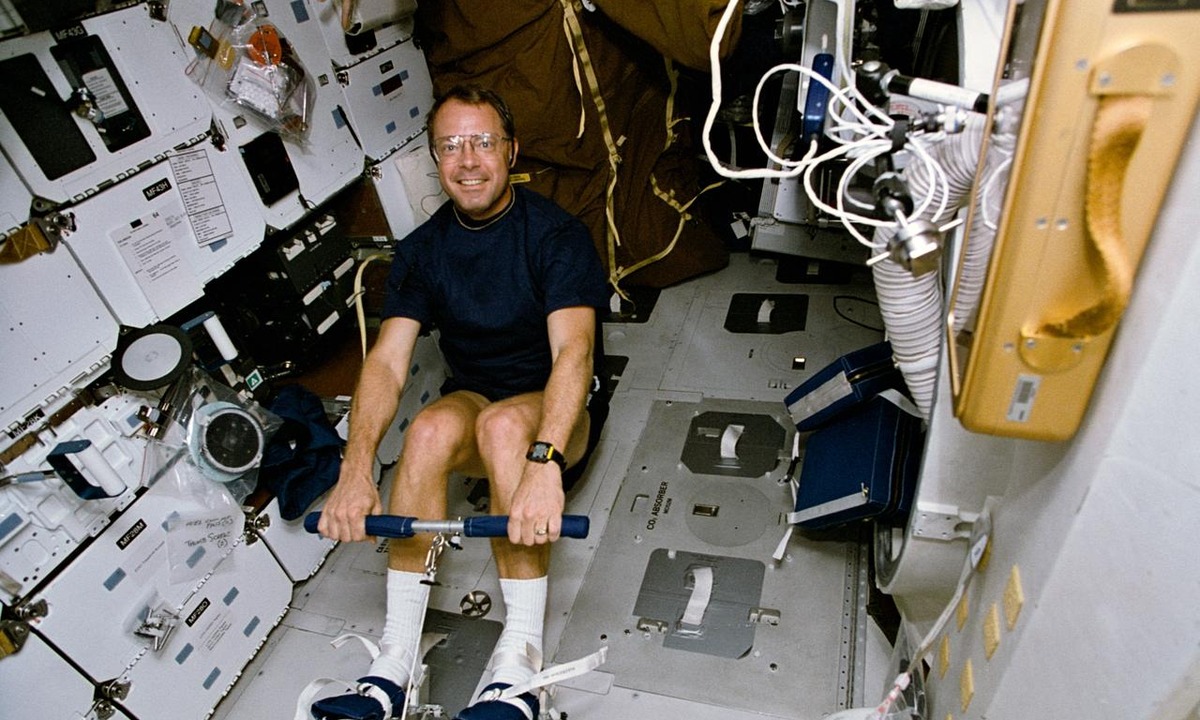
Long-Duration Spaceflight Human Physiology: Skeletal Calcium Depletion, Cephalad Fluid Shifts, Radiation Exposure, and Countermeasure Exercise

🚀 Human Spaceflight Systems: Long-Duration Spaceflight Human Physiology This technical monograph evaluates manned orbital station architecture, life-support chemical engineering, reusable spacecraft aerothermodynamics, spacesuit biomechanics, and space medicine under the editorial leadership of Annamae Turner. The Unnatural State: Evolutionary Biology in Zero Gravity For nearly four billion years, every organism on Earth—from single-celled protozoa to dinosaurs … Read more

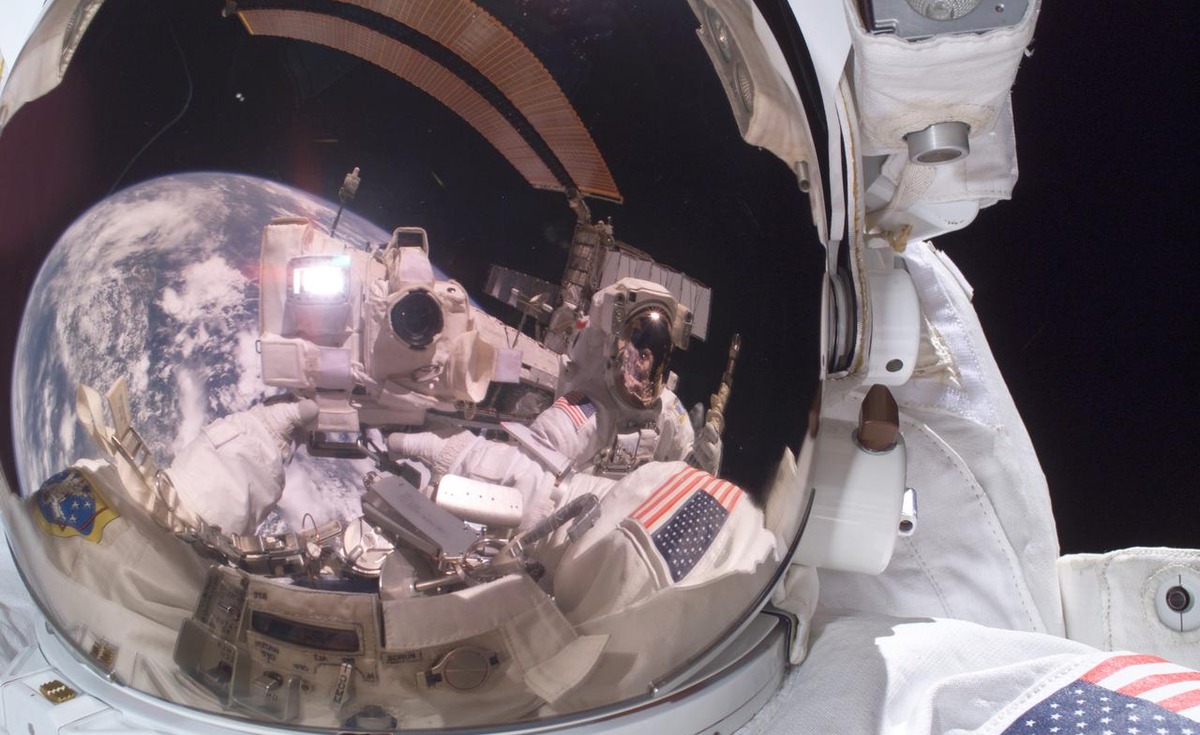
Extravehicular Activity (EVA) Spacesuit Biomechanics: Liquid Cooling Garments, Primary Life Support Subsystems (PLSS), and Spacewalk Ergonomics

🚀 Human Spaceflight Systems: Extravehicular Activity (EVA) Spacesuit Biomechanics This technical monograph evaluates manned orbital station architecture, life-support chemical engineering, reusable spacecraft aerothermodynamics, spacesuit biomechanics, and space medicine under the editorial leadership of Annamae Turner. The Spacesuit as an Anthropomorphic Spacecraft: The Lethal Vacuum of Space Stepping outside a pressurized spacecraft into the vacuum of … Read more

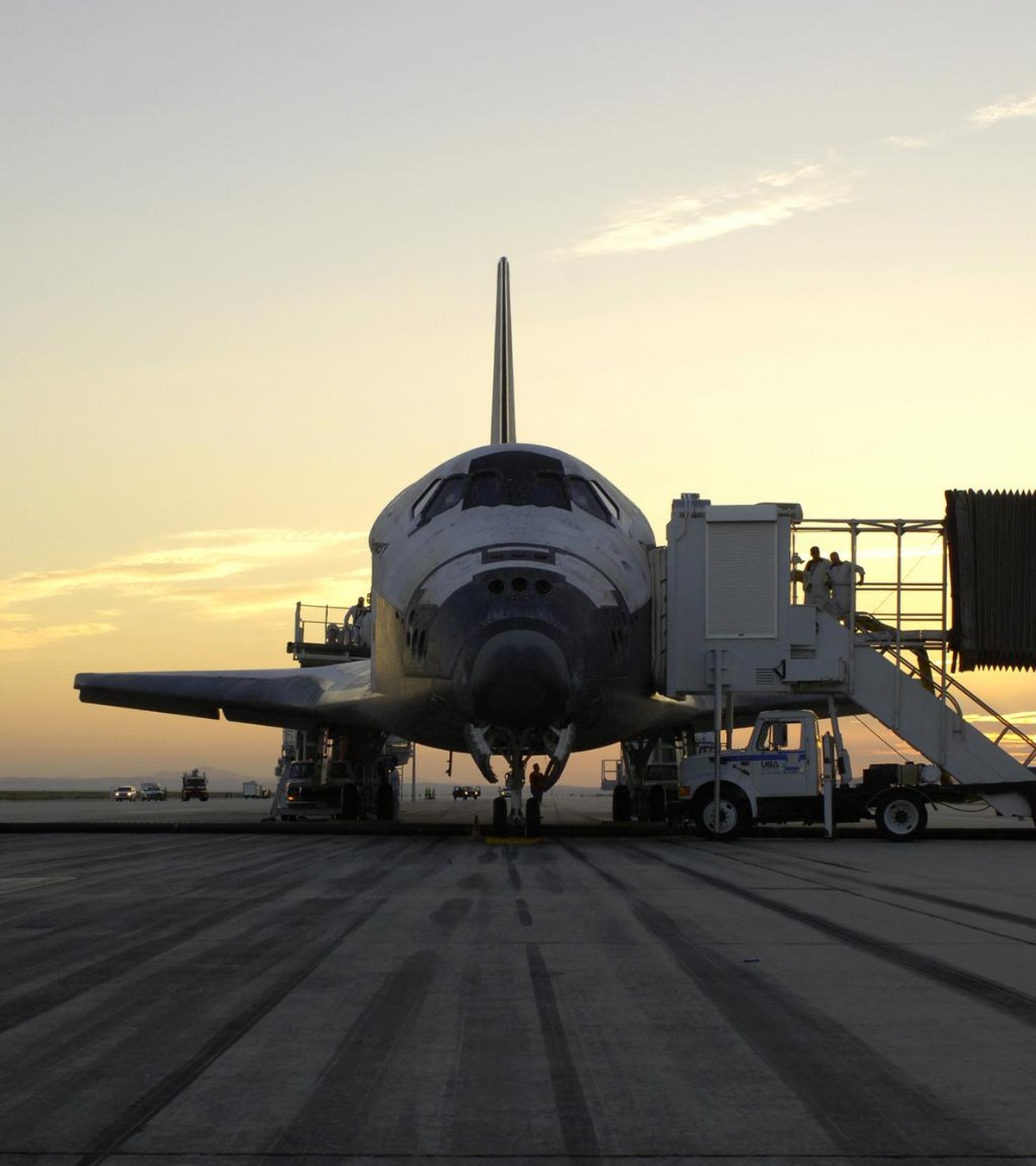
Space Shuttle Program Engineering: Thermal Protection System (TPS) Tiles, Solid Rocket Booster Dynamics, and Reusable Spacecraft Aerodynamics

🚀 Human Spaceflight Systems: Space Shuttle Program Engineering This technical monograph evaluates manned orbital station architecture, life-support chemical engineering, reusable spacecraft aerothermodynamics, spacesuit biomechanics, and space medicine under the editorial leadership of Annamae Turner. The Reusable Dream: The Architecture of the Space Transportation System (STS) Conceived in the aftermath of the Apollo lunar landings, NASA’s … Read more

International Space Station (ISS) Systems Engineering: Environmental Control and Life Support Systems (ECLSS), Microgravity Fluidics, and Orbital Assembly

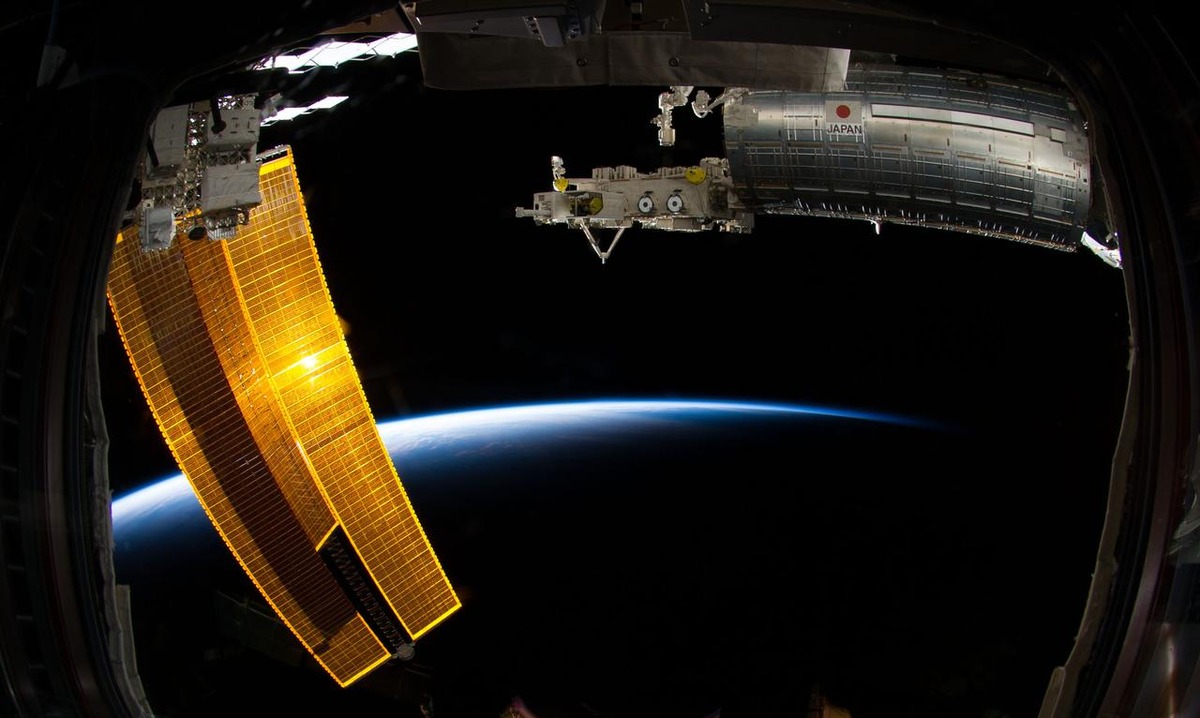
🚀 Human Spaceflight Systems: International Space Station (ISS) Systems Engineering This technical monograph evaluates manned orbital station architecture, life-support chemical engineering, reusable spacecraft aerothermodynamics, spacesuit biomechanics, and space medicine under the editorial leadership of Annamae Turner. The Colossus of Low Earth Orbit: Twenty-Five Years of Continuous Human Habitation Orbiting approximately 420 kilometers above Earth at … Read more

Deep Space Ion Propulsion and Autonomous Navigation: Dawn’s Exploration of Vesta and Ceres and Future Interplanetary Electric Drives

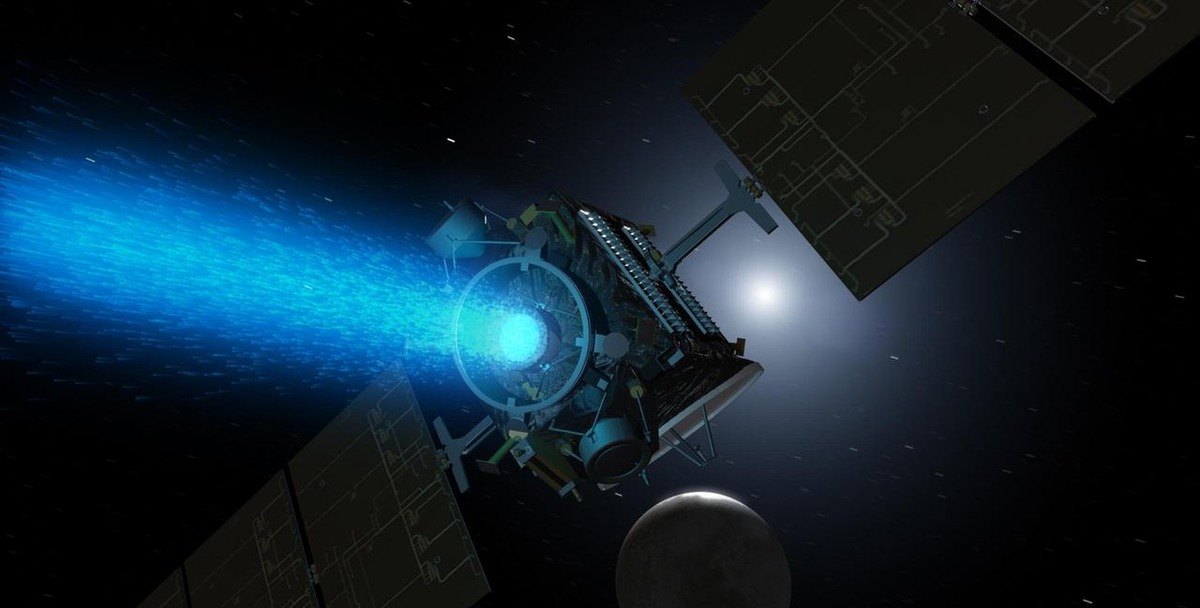
🚀 Robotic Spacecraft Engineering: Deep Space Ion Propulsion and Autonomous Navigation This technical monograph provides in-depth documentation covering deep-space probe architecture, autonomous telemetry, nuclear/electric propulsion physics, and planetary science under the editorial direction of Annamae Turner. The Rocket Equation Tyranny: Why Chemical Rockets Hit a Physical Wall At the foundation of aerospace engineering lies Konstantin … Read more

Asteroid Sample Return Missions: Hayabusa2, OSIRIS-REx, Carbonaceous Chondrite Geochemistry, and Planetary Defense Kinetic Impactors

🚀 Robotic Spacecraft Engineering: Asteroid Sample Return Missions This technical monograph provides in-depth documentation covering deep-space probe architecture, autonomous telemetry, nuclear/electric propulsion physics, and planetary science under the editorial direction of Annamae Turner. Time Capsules of the Solar Nebula: The Primordial Asteroid Record The major planets of our solar system have undergone four and a … Read more